Travertine & Paver Installation in Palmetto & the Sarasota Area
A cooler, more durable pool deck or patio surface that holds up to Florida heat and rain better than a plain poured slab.
Why Pavers Over Poured Concrete
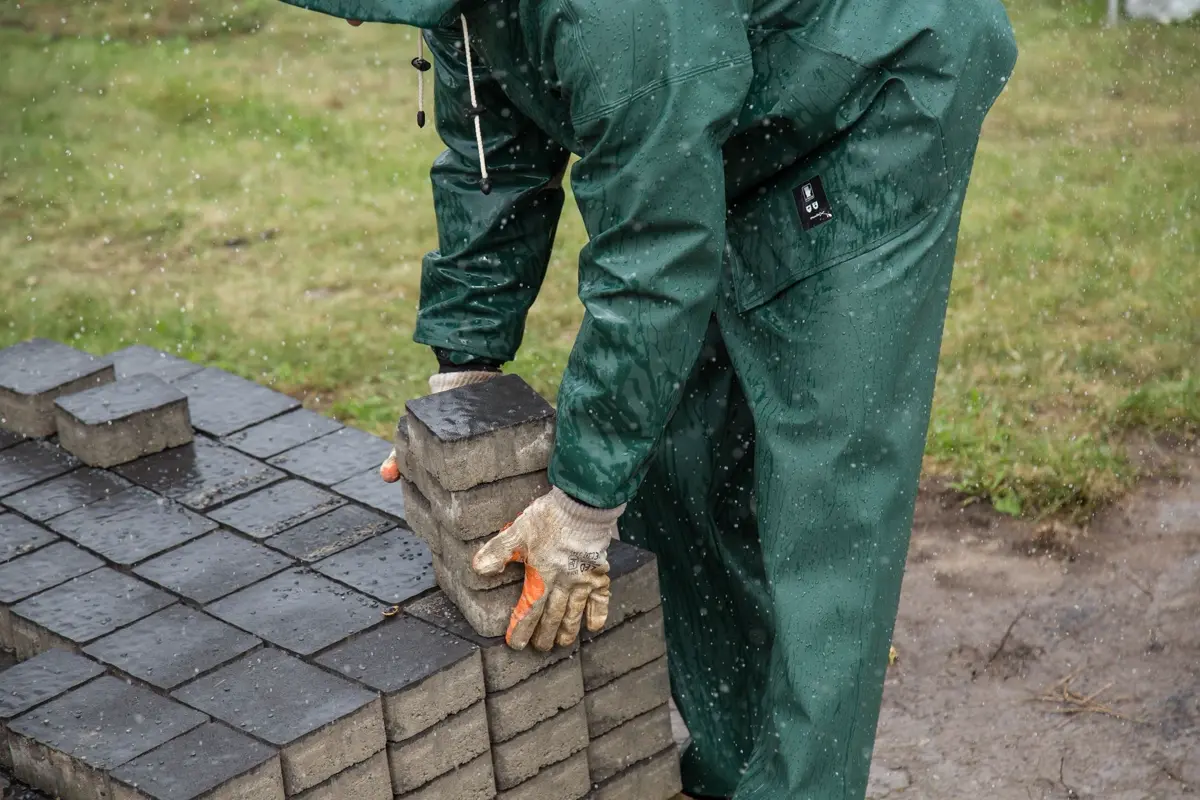
Standard poured concrete gets uncomfortably hot underfoot in direct Florida sun and tends to crack as the ground shifts underneath it over the years. Travertine and concrete pavers solve both problems — they run cooler to the touch, and because each piece is a separate unit set on a compacted base, one cracked or stained paver can be lifted and replaced instead of tearing up an entire slab.
Where This Applies
- A worn or cracking pool deck that needs more than a paint refresh
- A new pool cage project where the deck surface is being built at the same time
- Patios and walkways outside the screened area
Our Process
- Excavate. Old surface removed if needed and the area dug to proper depth.
- Base. Crushed stone base compacted for stable, well-drained support.
- Sand leveling layer. A leveling layer set before pavers go down.
- Set pavers. Travertine or concrete pavers laid in the chosen pattern with edge restraints.
- Joint sand and seal. Joints filled and the surface sealed for stability and stain resistance.
What Drives the Cost
Total square footage is the biggest factor, followed by material choice — travertine typically costs more than concrete pavers — and whether an existing surface needs to be removed before installation.
Why Choose JCR Pool Cage Services
We build the base properly instead of skipping straight to laying pavers on unprepared ground, which is the difference between a deck that stays flat for years and one that shifts within a season.
Serving Palmetto and the Surrounding Area
Paver and travertine installation for Sarasota and Palmetto homeowners.
Frequently Asked Questions
Travertine or concrete pavers — which is better around a pool?
Travertine stays noticeably cooler underfoot in direct sun, which matters a lot in Florida, and has a natural non-slip texture. Concrete pavers cost less and come in more color/pattern options. Both work well; it's a budget and look decision.
Can pavers be installed inside an existing screened enclosure?
Yes — we work carefully around the existing cage frame and footer plates when installing or replacing a deck inside a lanai.
Do pavers crack like poured concrete does?
Individual pavers can crack, but because they're separate units set on a base rather than one continuous slab, a cracked paver can be pulled and replaced without redoing the whole deck — unlike a cracked concrete slab.
What's under the pavers — do you just lay them on dirt?
No — proper installation means excavating, compacting a base layer (typically crushed stone), adding a leveling layer of sand, then setting the pavers with edge restraints to keep them from shifting.
How long does a paver patio or pool deck installation take?
A few days to about a week depending on square footage, whether an old surface needs to be removed first, and whether the base needs full excavation.